
Businorem ipsum dolor sit amet cons interdum quam duis variuy time honored tradition etting .
Businorem ipsum dolor sit amet cons interdum quam duis variuy time honored tradition etting .
 March 27, 2026
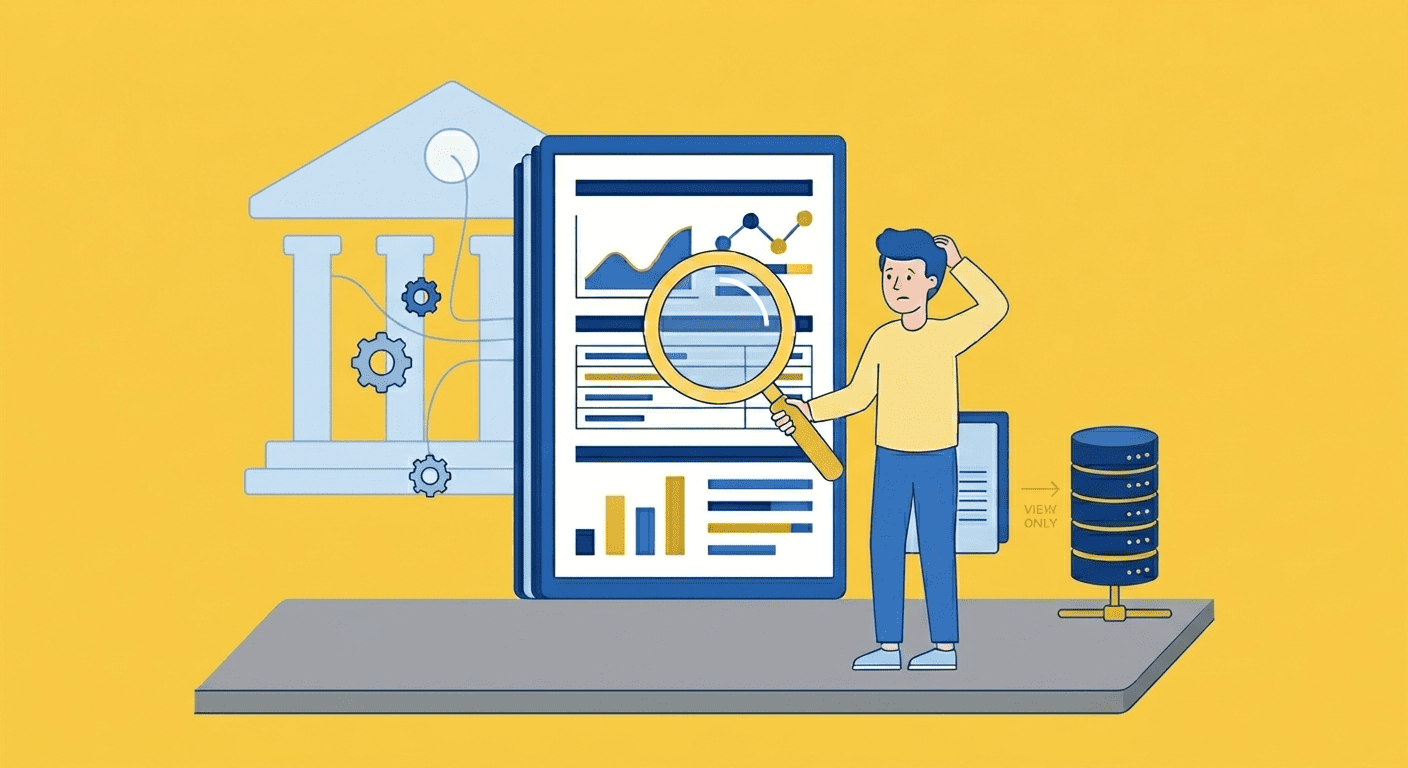
 Errors in Credit Reports are more common than expected. Sometimes, accounts are reported incorrectly, repayments are not updated on time and the status of the credit facility does not always reflect reality. When discrepancies appear in the Credit Report, the immediate assumption is that the Credit Bureau has made an error. After all, the Credit Report carries the Credit Bureau’s name and branding. But what if the real source of the problem lies somewhere else entirely?
Credit Bureaus are often seen as entities that control your financial identity, but their role is far more limited than most people think. Credit Bureaus collect, collate and maintain credit information received from lenders. They do not create or control the information that appears in a Credit Report. They function as aggregators of information rather than originators. The actual ownership and control of credit information lie with lenders such as banks, non-banking financial companies and other financial institutions that extend credit facilities.
Each lender is responsible for reporting borrower credit information to Credit Bureaus in a standardized structure known as the Uniform Credit Reporting Format. This format was introduced following the recommendations of the Aditya Puri Committee with the objective of ensuring consistency, accuracy and uniformity in credit reporting across lenders.
In principle, this system should work seamlessly and ensure that Credit Reports accurately reflect a borrower’s credit behavior. Lenders report accurate and timely credit information, Credit Bureaus compile it and the Credit Report becomes a reliable reflection of financial behavior. However, the reality today is far from perfect. Many lenders fail to submit credit information correctly. There are delays in updates, inconsistencies in reporting and sometimes outright inaccuracies in how accounts are classified. Once this flawed credit information is submitted, it becomes part of the borrower’s credit history and the Credit Bureau simply reflects it as is.
This operational structure also explains the process of dispute resolution. When a discrepancy is raised with a Credit Bureau, it often feels like approaching the authority that can resolve the issue directly. In reality, the Credit Bureau functions as an intermediary in the process, it does not independently investigate or alter the credit information. Instead, it forwards the dispute to the respective lender that originally reported the credit information. The lender reviews the request, validates the claim and, if necessary, submits corrected credit information to the Credit Bureau. The Credit Bureau then updates the Credit Report based on the lender’s response. At no stage does the Credit Bureau exercise discretion to edit or delete credit information on its own.
As a result, the resolution of any Credit Report discrepancy and the responsibility for accuracy, timeliness and completeness of credit information is dependent on the lender’s action. Whether a dispute is raised with the Credit Bureau or directly with the lender, the correction can only be implemented when the lender updates and resubmits the corrected credit information in the prescribed format. Without such intervention, the reported credit information remains unchanged.
In conclusion, a Credit Report may be issued by a Credit Bureau, but it is fundamentally shaped by the credit information furnished by lenders. Any inaccuracies within the Credit Report originates at the source of credit information submission and their resolution depends on corrective action at that level. Recognizing this dynamic is essential for addressing discrepancies effectively and for understanding where true control over credit information resides.