
Businorem ipsum dolor sit amet cons interdum quam duis variuy time honored tradition etting .
Businorem ipsum dolor sit amet cons interdum quam duis variuy time honored tradition etting .
 April 24, 2026
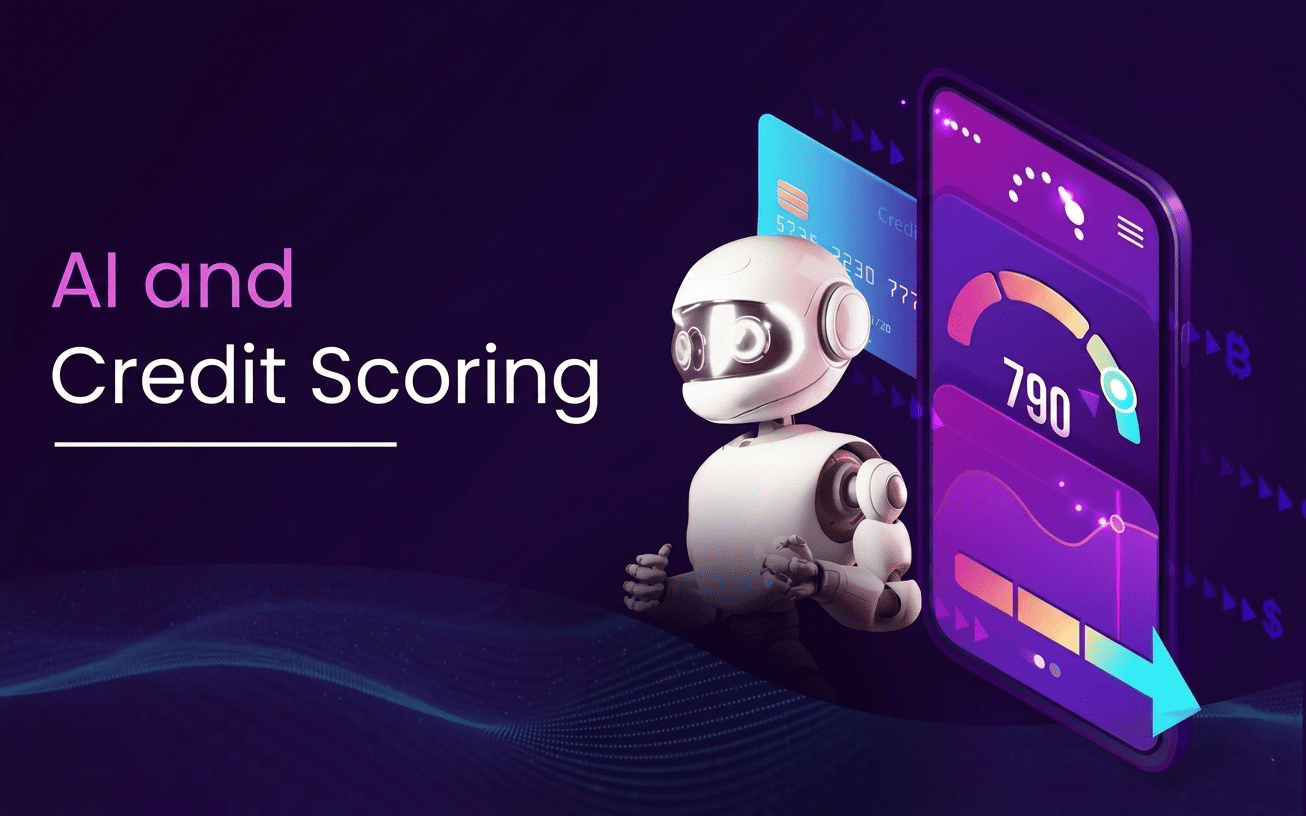
 For years, the world of lending has revolved around two familiar pillars: the Credit Report and the Credit Score. Whether you were applying for a credit card, a personal loan, or even renting a home, these two metrics shaped your financial identity. But today, that system is undergoing a quiet yet powerful transformation. Artificial Intelligence is stepping in and it’s changing the rules.
Traditionally, a Credit Report has been a snapshot of your financial past. It records how you have borrowed, how consistently you have repaid, and whether you have ever defaulted. Your Credit Score, in turn, condenses all of that history into a single number a quick signal for lenders to judge your reliability. While this system has worked for decades, it comes with clear limitations. It is slow to update, heavily dependent on past behavior, and often leaves out millions of people who simply don’t have enough credit history to generate a meaningful Credit Score.
This is where Artificial Intelligence begins to reshape the landscape.
Instead of relying solely on static data, AI-driven models look at patterns dynamic, real-time patterns. They can analyze how money flows through your accounts, how consistently you manage expenses, and how your financial behavior evolves over time. In other words, rather than asking “What has this person done before?”, AI asks “What is this person likely to do next?”
That shift from historical evaluation to predictive intelligence is at the heart of this transformation.
One of the most significant impacts of AI is its ability to bring “invisible borrowers” into the system. These are individuals who may not have a detailed Credit Report or a strong Credit Score, but still demonstrate financially responsible behavior in other ways. Through alternative data such as transaction patterns, digital payments, or income stability AI can help lenders assess risk more inclusively. This does not just improve access to credit; it expands the very definition of creditworthiness.
Speed is another area where AI is making a visible difference. Traditional credit systems often operate with delays reports are updated periodically, and decisions can take time. AI, on the other hand, enables near real-time decision-making. Lenders can evaluate applications faster, adjust credit limits dynamically, and even detect early warning signs of default before they escalate. The result is a system that is not just reactive, but proactive.
Of course, this shift also raises important questions. When decisions are made by algorithms, transparency becomes critical. How does an AI model arrive at a conclusion? Is it fair? Is it free from bias? As credit bureaus evolve into data-driven intelligence platforms, regulators and institutions will need to ensure that innovation is balanced with accountability.
What is emerging is a new version of the credit ecosystem one where the Credit Report and Credit Score still matter but are no longer the only voices in the room. They are being complemented, and in some cases challenged, by intelligent models that see beyond the past and into the future.
In the end, Artificial Intelligence isn’t replacing the traditional system it’s expanding it. It’s making credit more accessible, decisions more accurate, and risk management more dynamic. For borrowers, this could mean fairer opportunities. For lenders, smarter decisions. And for the industry as a whole, it signals a shift from static scoring to intelligent understanding.
The era of the Credit Score is not over, but it is no longer the whole story.