
Businorem ipsum dolor sit amet cons interdum quam duis variuy time honored tradition etting .
Businorem ipsum dolor sit amet cons interdum quam duis variuy time honored tradition etting .
 January 22, 2026
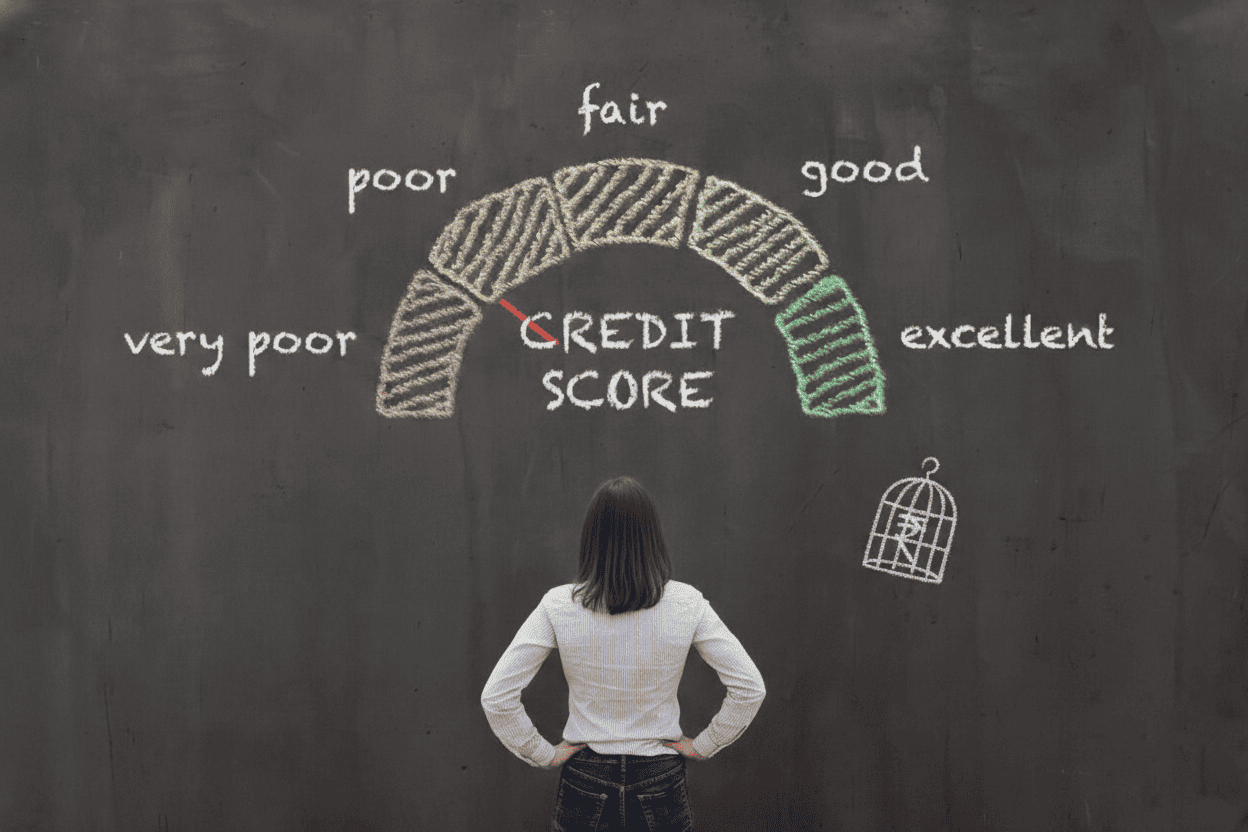
In India, a Credit Score has become a reflection of your financial character, a silent judge that influences far more than just whether you get a loan. A good Credit Score can open doors to opportunities, while a low score can quietly close them, sometimes in the most unexpected ways.
Take, for instance, a story from Murtizapur, Maharashtra. A wedding planned with grandeur and joy, was suddenly called off. The reason had nothing to do with horoscopes or family disagreements but the groom’s Credit Score. During the final stages of preparation, the bride’s family decided to run a check and discovered multiple loans, overdue repayments and a troubled credit history. Concerned about financial instability, they walked away.
Not just in big life-changing events, a poor Credit Score lingers in the background of everyday life, shaping the way the world perceives you. Several employers in the financial sector now check credit profiles before hiring. Kunal Shah, the founder of CRED, has publicly mentioned that his company hires only those with a Credit Score of 750 or above. For employers, a strong score signals responsibility and discipline; a weak one raises silent doubts. Imagine losing out on your dream job because of missed payments made years ago, despite having the right skills and experience
And then comes the most obvious cost, money. Most housing finance companies in India use what is known as risk-based pricing. This means that your interest rate is directly linked to your Credit Score. The higher the Credit Score, the lower the interest rate. The lower the Credit Score, the higher the interest rate. Consider two borrowers applying for the same home loan of ₹30 lakh over 20 years. The first has a score of 750 and gets an interest rate of 8.5%. His EMI works out to about ₹26,035 and over the tenure, he repays ₹62.28 lakh in total. The second has a score of 650 and is charged 10.5%. His EMI climbs to ₹29,951 and his total repayment balloons to ₹71.88 lakh. The difference is nearly ₹10 lakh, paid for nothing more than having a weaker score.
That is the hidden impact of a low Credit Score. Along with denying access to funds, it makes the funds you do get far more expensive. Over a lifetime, the added interest, penalties and lost opportunities can add up to staggering amounts. And beyond the numbers lies the stress of constant rejections, the humiliation of collection calls, the strain on relationships and the silent roadblocks in one’s career.
The good news is that no matter how low your Credit Score may be today, it is never permanent. Credit Scores are designed to reward improvement, and with a few simple but disciplined habits like paying EMIs on time, keeping credit utilization low and avoiding unnecessary borrowing, you can steadily rebuild your profile. Over time, the same system that penalizes late payments will begin to recognize and reward your financial discipline. Think of your Credit Score as a tool that reflects your journey toward financial responsibility.
By nurturing your Credit Score, you save money, open doors to better opportunities, greater peace of mind and a future built on trust and stability.